


- On sale!
- -25%



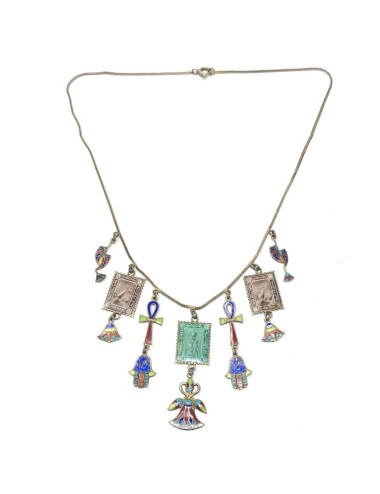
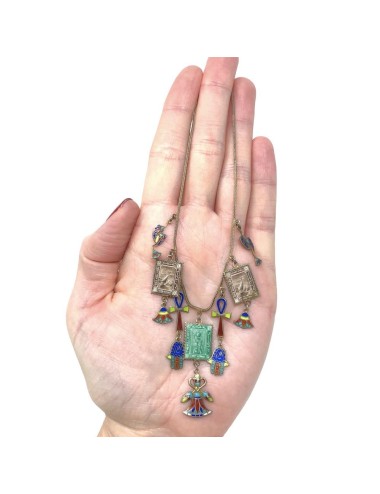


This beautiful necklace is emblematic of the evocative 1920s Egyptian Revival aesthetic and was made in France.
Condition Report:
Very Good - A slight kink in the chain and a tiny bend at the base of one of the charms. This is consistent with age and use and does not detract from the appeal of the piece.
For more information about this necklace, read below...
The Details...
Although un-hallmarked, this necklace is most likely constructed from silver gilt. It features a delicate herringbone chain. Suspended from the chain is a selection of Egyptian inspired charms. There are Ankhs, Lotus flowers and Hamsa hand symbols. There are also three postage stamp charms detailed with skiff boats on the Nile and the goddess, Hathor. The necklace fastens with a bolt ring and measures 38cm in length.
A Short History...
In 1922, Howard Carter discovered the tomb of Tutankhamun and, thereby, ignited a Western fascination with Ancient Egypt which permeated the Arts. Jewellery designers created heavily stylised profiles of people and hieroglyphs taken from tomb walls, as can be seen in this necklace. Reviving Egyptian motifs was a real 1920s celebration of adventure and breaking down cultural barriers.
Wear it With...
This necklace looks elegant paired with denim.
The jewellery within the Gemma Redmond Vintage collection has survived to this day because it has been well cared for throughout its lifetime. It is important to continue to care for the jewellery that you buy from us to ensure its continued preservation. Here are some suggestions:
- Be sure to store your jewellery within the boxes that we provide to ensure that it is protected. This is especially important when travelling with your pieces.
- Try not to get perfume or hairspray on your items. These liquids can damage the materials that our jewellery is made from.
- Try not to drop your jewellery or catch your jewellery against hard surfaces. If this happens over time, the findings and fixings can loosen and wear.
- Try not to get your jewellery wet. Some costume jewellery manufacturers utilised water soluble glue in the making of their pieces. Getting your jewellery wet could cause rhinestones and other details to fall away over time.
- If you wish to clean your jewellery, use a soft polishing cloth or a soft brush.
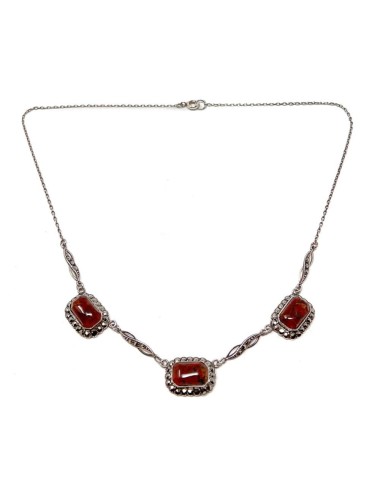
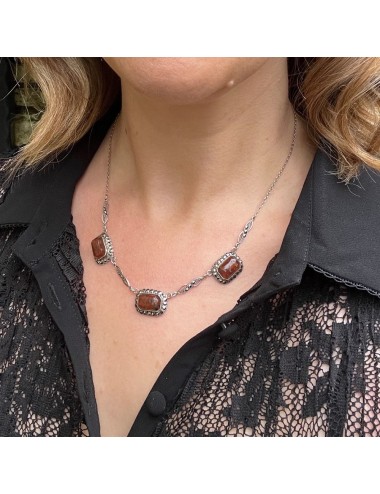
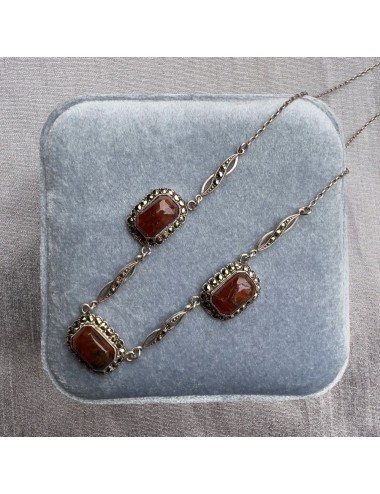
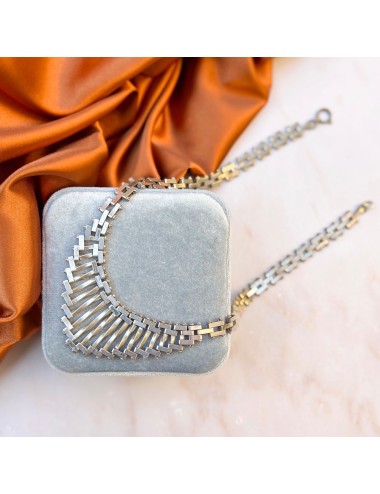
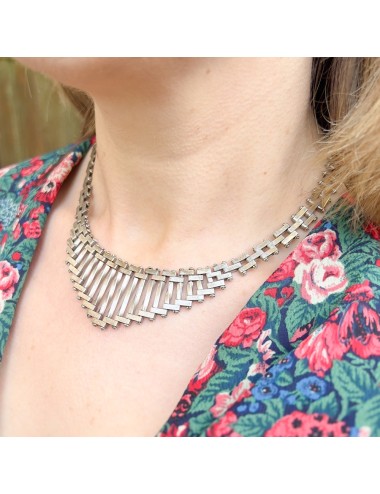
This elegant necklace, featuring elegant agate panels, dates from the 1950s.
Condition Report:
Excellent
For further information about this necklace, read below...
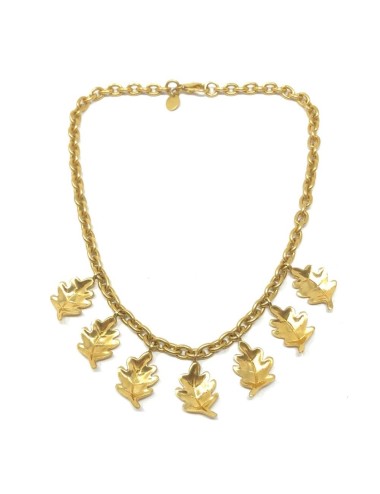
This stylish necklace was made in the 1990s in France by the Inès de La Fressange brand.
Condition Report:
Excellent
For more information about this necklace, read below...
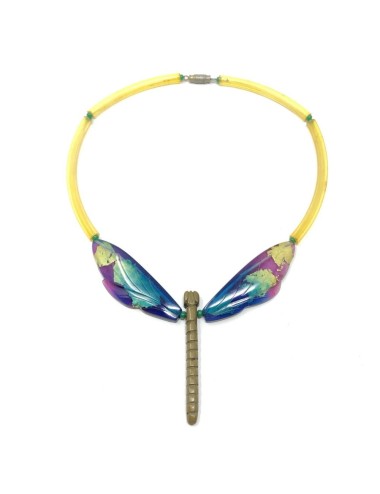
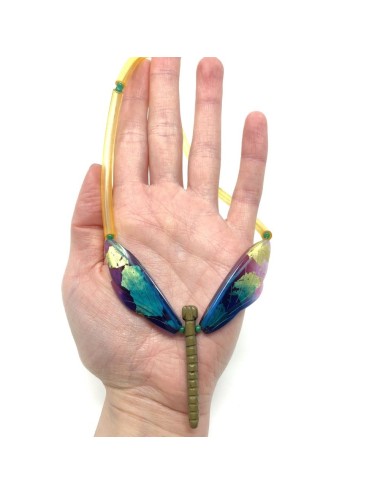
Constructed from early plastics, this beautiful necklace most likely dates from the late 1930s or early 1940s.
Condition Report:
Excellent
For more information about this necklace, read below...
This stylish 1960s necklace evokes the much sought after faux pearl sautoirs created by the house of Chanel.
Condition Report:
Excellent
For more information about this necklace, read below...
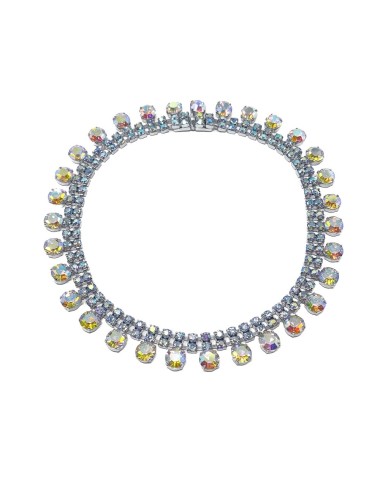
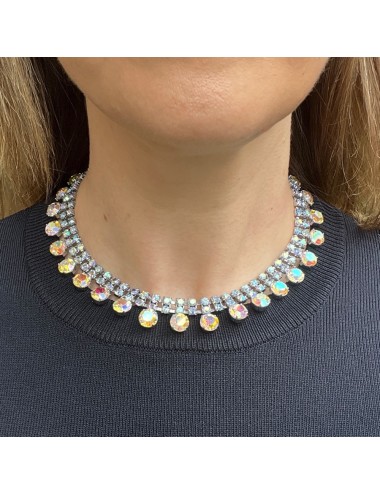
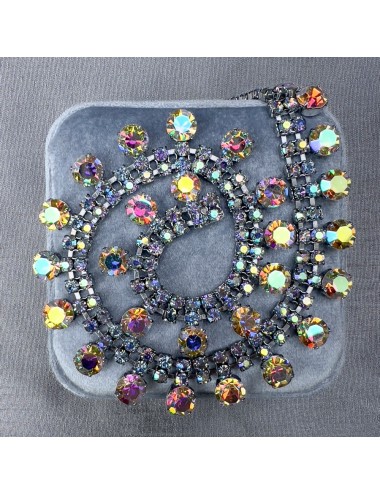
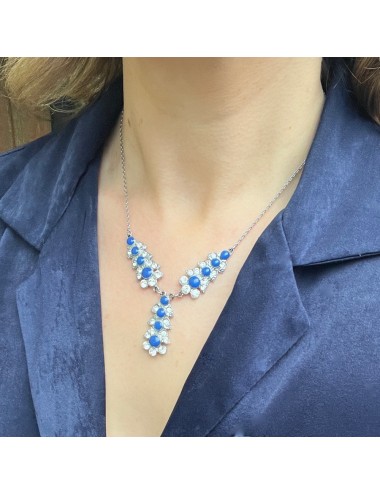
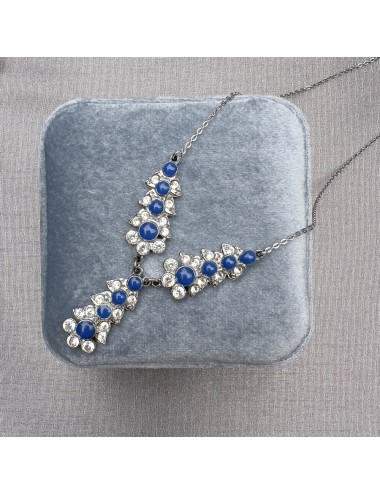
A pretty 1960s necklace featuring shimmering stones.
Condition Report:
Excellent
For more information about this piece, read below...
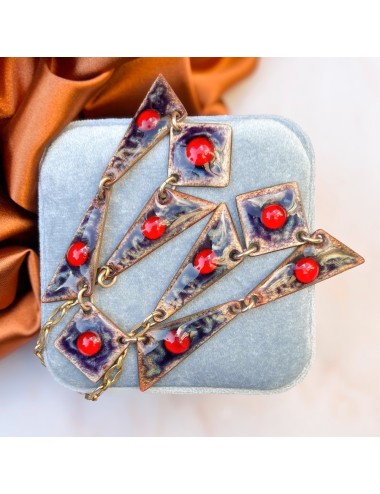
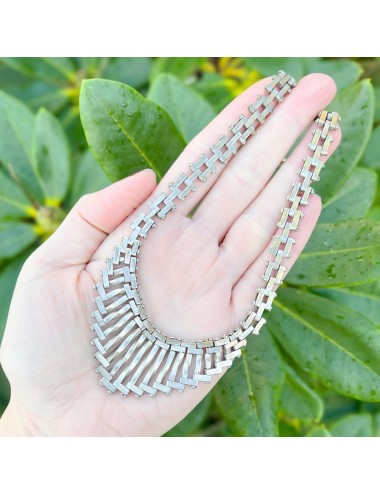
Although unsigned, this necklace is highly likely to have been created in Limoges, France, in the 1950s.
Condition Report:
Excellent
For more information about this bracelet, read below...
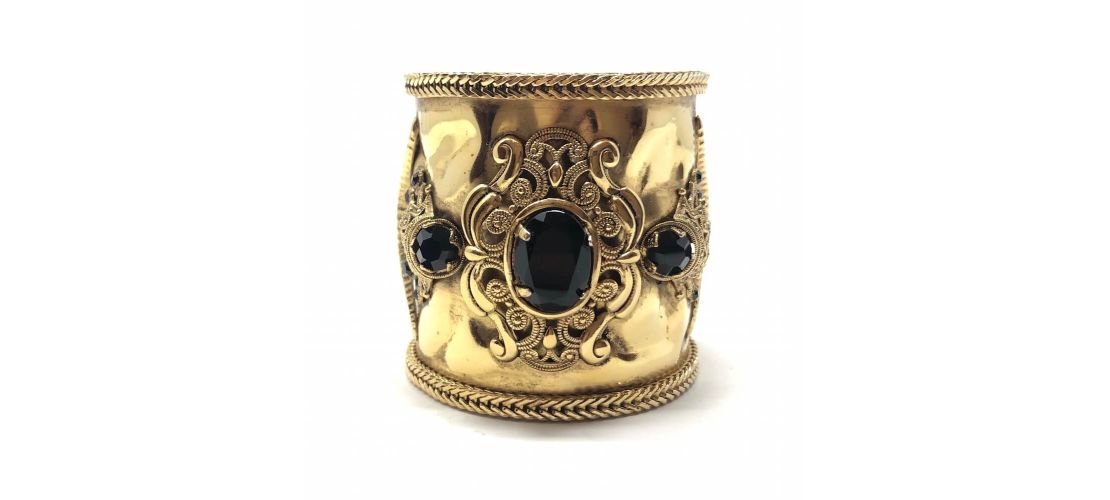
This wonderful example of 1960s statement jewellery is an unsigned, high quality beauty.
Condition Report:
Excellent
For more information about this necklace, read below...
This wonderful example of early plastic jewellery is in fabulous condition.
Condition Report:
Excellent
For more information about this necklace, read below...
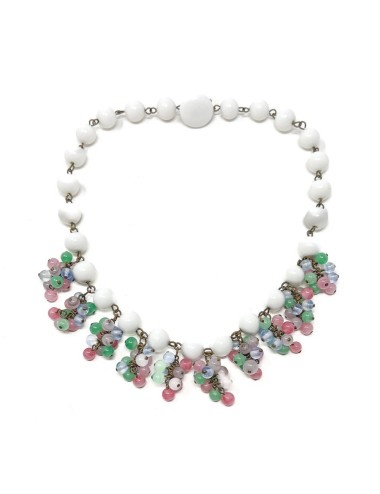
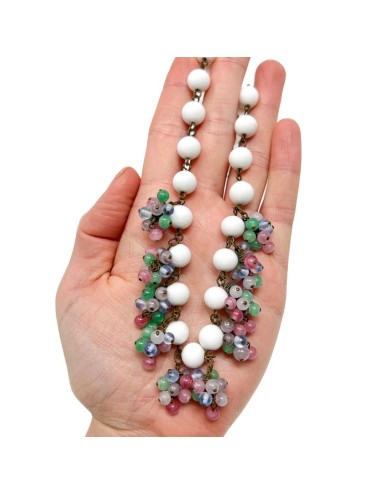
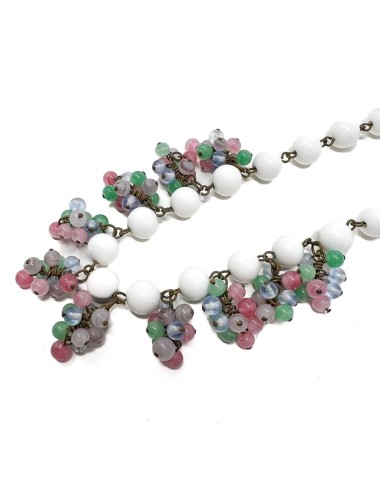
This pretty 1950s necklace features beautiful pastel coloured glass bead tassels.
Condition Report:
Excellent
For more information about this necklace, read below...
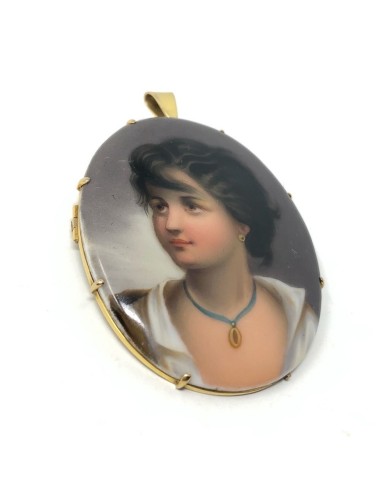
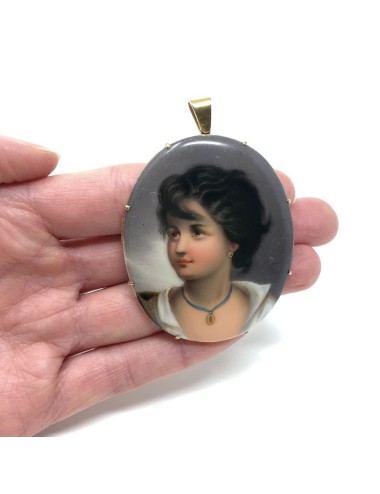
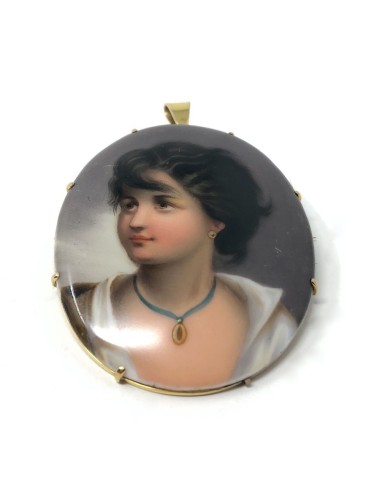
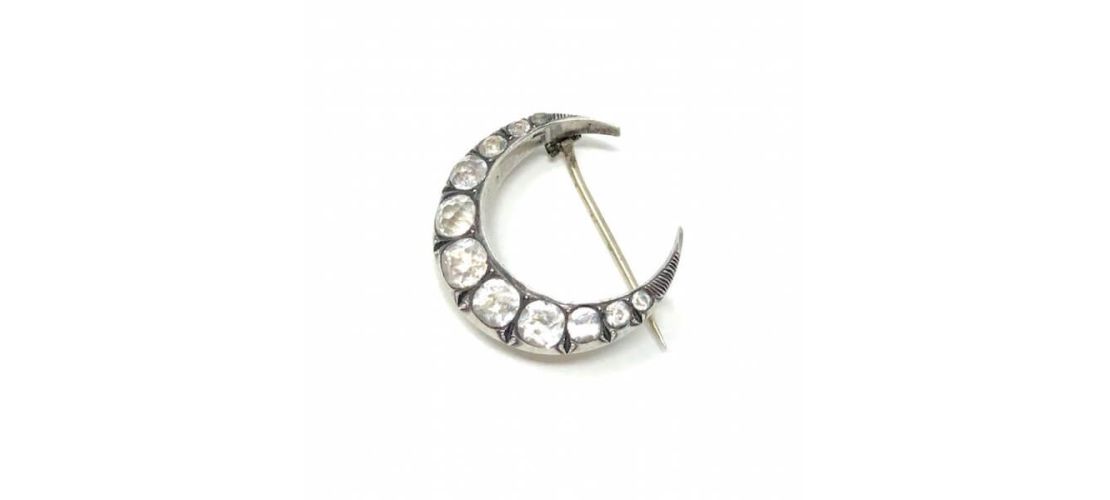
This wonderful example of Victorian jewellery was created in 1876. It can be worn as a pendant or a brooch.
Condition Report:
Excellent
For more information about this piece, read below...
This pretty 1930s necklace was created in Czechoslovakia.
Condition Report:
Excellent
For more information about this necklace, read below...
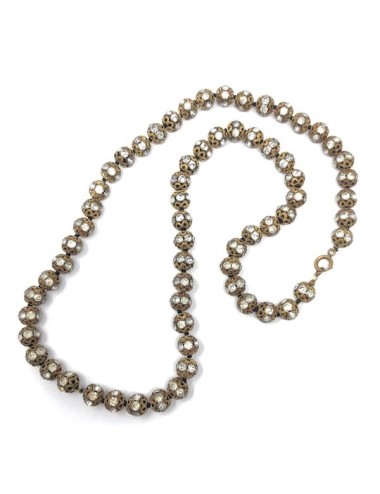
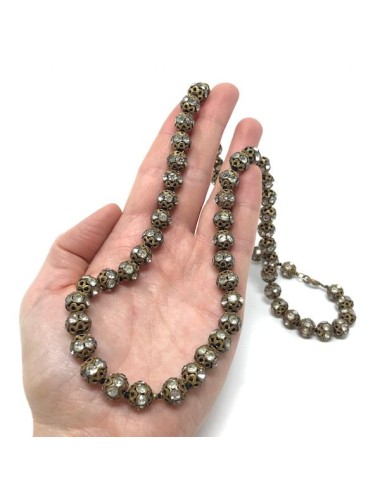
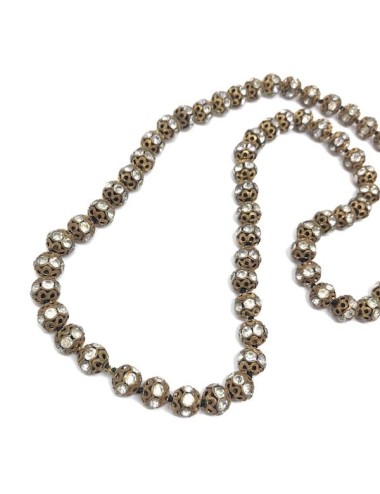
This unsigned necklace represents elegant 1930s design.
Condition Report:
Very Good - One of the joins in this hand-knotted necklace shows some signs of repair and there is some darkening to a couple of rhinestones consistent with age. These points are only visible upon very close inspection.
For more information about this necklace, read below...
This immaculate and beautiful locket dates from c.1900 and represents the garland style so typical of early 20th century jewels.
Condition Report:
Excellent
For more information about this locket, read below...
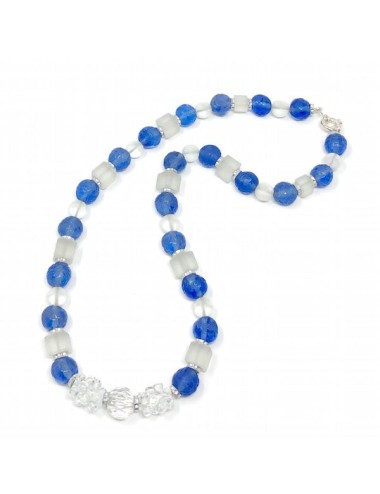
This rare design glass bead necklace represents elegant Art Deco craftsmanship.
Condition Report:
Excellent - The necklace has been professionally re-strung.
For more information about this necklace, read below...
This stylish necklace dates from the 1930s. It evokes the Machine Age aesthetic of the era and was most likely created by Jakob Bengel.
Condition Report:
Good - Some wear to the chrome plating, particularly towards the back of the necklace and the fastening catch. This does not detract from the stylish design of the necklace, but is reflected in the price.
For more information about this necklace, read below...
This stylish necklace was probably created in Austria or Germany in c.1900.
Condition Report:
Excellent
For more information about this brooch, read below...
This beautiful necklace is emblematic of the evocative 1920s Egyptian Revival aesthetic and was made in France.
Condition Report:
Very Good - A slight kink in the chain and a tiny bend at the base of one of the charms. This is consistent with age and use and does not detract from the appeal of the piece.
For more information about this necklace, read below...